Choose what stays on.
List the circuits that matter most during an outage. Whole-home and selected-load designs have different equipment and capacity needs.
When the grid goes quiet, a thoughtfully designed battery system can support the parts of home that matter most. Start with what you want to keep running.
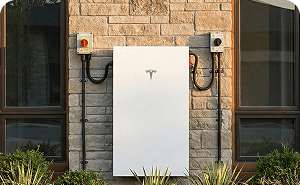
A refrigerator and a few lights use energy differently from a whole home. Build an example and explore that trade-off.
Pick what matters to you. We keep 20% of each battery in reserve and plan for a full day without the grid.
Everyday essentials such as the refrigerator, Wi-Fi, a few lights and devices usually fit on one home battery. Adding a sump pump or heating and cooling usually means two or more.
Enable JavaScript to choose your own loads.
Your selected zones stay powered.
Enough for the essentials you picked, with 20% kept in reserve.
Plan my battery backupA starting point, not a quote. We confirm the size with your home’s equipment and how you use power.
How much energy a battery stores is one part of the answer. What it can power at once matters, too.
List the circuits that matter most during an outage. Whole-home and selected-load designs have different equipment and capacity needs.
Grid-connected solar alone generally stops supplying the home during an outage. Backup requires a system designed to safely operate without the grid, with compatible equipment and controls.
A compatible smart panel can help manage selected circuits as your priorities change. Solar recharge depends on the system design, available sunlight and your household demand.
Explore SPAN smart panels ↗Your home, equipment and expectations shape the design. We work through those details before recommending a system.
Talk through outage goals, major appliances, existing solar and the loads you want to support.
Review electrical capacity, equipment compatibility, installation location and the required approvals.
Review the proposed capacity, backup circuits, operating limits and installation scope together.
Useful answers start with the way your home actually works.
Explore all FAQs ↗It depends on usable stored energy, starting charge, selected loads, reserve settings and equipment limits. A small essential-load plan can behave very differently from a whole-home design. Our calculator explains the relationship; an assessment applies it to your equipment.
Often a battery can be considered for an existing installation, but the inverter, electrical layout and backup controls determine the available designs. We review your current system before proposing equipment.
Solar panels alone do not establish an outage-ready system. Supplying the home during an outage requires compatible equipment designed to separate from the grid and operate safely. Available sunlight and energy demand still affect what can run.
Those loads need a closer look. Running power, starting surge, duty cycle and the battery system’s output limits all matter. We assess the specific equipment instead of assuming that stored energy alone is enough.
No. Some installations are designed for energy management without supporting the home in an outage. Tell us that backup is a priority so the proposed design, isolation equipment and supported circuits reflect it.
Background: U.S. Department of Energy: solar + storage (opens in a new tab) and solar resilience (opens in a new tab).
A useful backup plan starts with a conversation about your home. Tell us what you want to keep running.
Plan my battery backup